

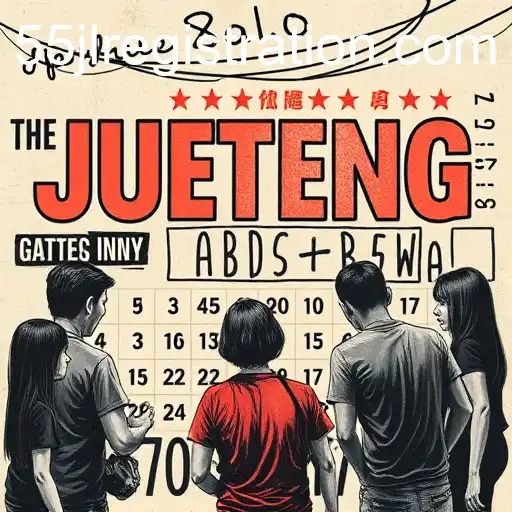

Jueteng is an underground numbers game that has plagued the Philippines for decades. It operates in the shadows, away from the law's prying eyes, and continues to thrive despite numerous efforts to dismantle it. Characterized by a simple betting mechanism involving numbers, Jueteng has enticed people from all walks of life with the allure of easy money.
Jueteng is essentially a lottery game where players place bets on numbers ranging typically from 1 to 37. Each day, a random number combination is generated, and those who selected the winning numbers receive a sum of money proportionate to their bet. The system is simple yet effective, drawing parallels with more formalized lotteries but lacking state sanctioning.
The Role of the Cabos and Cobradores
At the heart of Jueteng's operation lies a highly organized network of operatives. The "cabo" or coordinator is responsible for overseeing a particular territory's operations. They employ "cobradores" or collectors who gather bets from participants within their jurisdictions. This grassroots-level involvement ensures widespread participation, including individuals from rural and urban areas.
These collected bets are then submitted to higher-ranking operators managing entire regions. This hierarchical structure mirrors corporate models, underscoring Jueteng's complex logistical execution despite its illicit nature.
Cultural Entanglement
Jueteng has become a deeply ingrained part of certain Filipino communities, captivating their imagination and becoming almost an institution in its own right. Many view it not merely as gambling but as a social exercise, a part of daily life incorporated seamlessly with other cultural activities and norms.
Its proliferation is partly due to the allure of luck, a quick fix to financial problems that formal employment or government interventions have failed to address comprehensively. The cultural entanglement extends to its depictions in local media and the arts, bringing forth narratives that both criticize and romanticize its existence.
Economic Implications
For impoverished communities, Jueteng provides a source of immediate cash flow, albeit one that is unreliable and fraught with risk. However, its impact on the local economy cannot be understated. The money circulated through Jueteng gambling often props up small businesses and becomes a de facto microfinance solution for some.
Moreover, it offers employment opportunities, albeit informal and precarious, for numerous individuals who act as bet collectors and handlers. Such economic dependency on illegal gambling continues to challenge law enforcement efforts across the country.
Allegations of Corruption
Jueteng's continued existence is symptomatic of greater systemic issues within the country, including claims of widespread corruption. Allegations frequently surface about local politicians and law enforcement officials being complicit or even directly benefiting from Jueteng operations. This situation creates an environment where efforts to eliminate it are met with resistance, sometimes from within the governmental ranks.
Investigations have uncovered instances where Jueteng money was allegedly used to fund political campaigns, exacerbating its impact on the political landscape. These ties create a complex web of influence that further hinders straightforward eradication efforts.
The Challenge of Legalization
Discussions about legalizing and regulating Jueteng to curb its criminal undertones have arisen periodically. Advocates argue that legalizing it could lead to monitoring, taxation, and eventual reduction in corruption. Opponents, however, fear that incorporation into the legal framework may further legitimize gambling and its associated social ills.
The intrigue surrounding Jueteng is such that it often finds its way into popular culture. Films, television dramas, and literature sometimes portray Jueteng's adaptational resilience and its impact on Filipino society. These narratives often oscillate between emphasizing its destructive potential and highlighting its inevitable integration into everyday life.
While authorities continue to clamp down on Jueteng, its persistence suggests that more radical approaches may be required to address the root causes, which include economic disparities and insufficient legitimate economic opportunities. A holistic approach that tackles poverty might dissuade participation in such illicit activities.
The ultimate fate of Jueteng, much like other aspects of persistent underground cultures worldwide, will hinge on societal evolution and comprehensive government action. Until then, it remains a significant sociopolitical enigma, entangled with cultural, economic, and political threads in the Philippines.

Discover the captivating world of Shogun, a strategic game set in feudal Japan where players vie for power and dominion.

Dive deep into the exciting features and gameplay rules of HotVolcanoBonusBuy, an interactive game capturing global attention.

Dive into the captivating world of SugarRush1000, a thrilling game blending adventure with strategy. Discover its unique features and rules.

Explore the latest gaming sensation, BrutalSanta, with its exciting gameplay, intriguing rules, and festive charm that blends with current events.

Dive into the thrilling universe of BookOfKeno, a captivating game where strategy meets chance. Understand its rules, features, and why it’s gaining popularity.
Explore the captivating world of MonkeyKing, a game that melds ancient legends with modern gameplay, including its unique rules and captivating introduction.
